
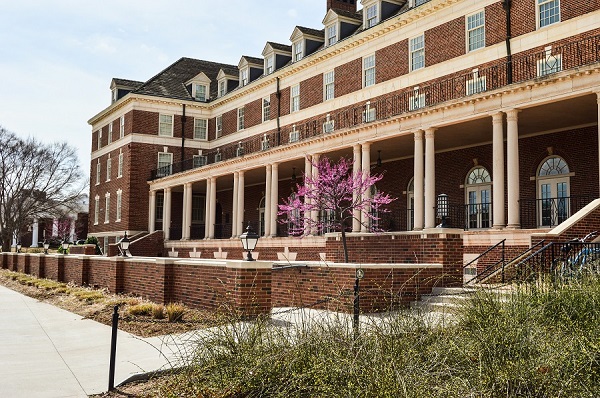
I’ve recently been asked to give some tips for grad school interviews! I would like to preface with this – not every graduate program requires an interview process. I applied to four different schools in Oklahoma and only one of this (Oklahoma State University) required an interview. So double check with the graduate program’s website to see if this is required for the schools you are applying to before you start to panic! BUT – if one of your schools does require an interview… don’t panic 😉 I know it’s easier said than done, but the interview process isn’t that bad and you will be okay! Plus, it’s a good way for you to meet some of the staff to help in your decision as well! This also is a great opportunity to check out the campus if you haven’t seen it before. The program I interviewed with offered tours after the interview if you weren’t already a student in their undergrad program!

Alright let’s get to it… Here are 10 Tips for your Grad School Interview
1. Dress professionally. You should treat this interview as if it is an interview for a job. Dress to impress… this is most likely the first time you are meeting your interviewers and you want to set a good first impression. I recommend maybe even wearing something with the school colors! Oklahoma State University’s school colors are orange and black, so many people wore orange blazers, orange heels, a black dress, etc. You don’t need to go overboard, but it is a good touch that shows the staff that you put thought into your outfit.
2. Be confidant. Even if you are nervous beyond belief, fake it ’til you make it. Walk into the interview room with your chin up, smiling. Confidently shake hands with the person/people interviewing you. Don’t fiddle with anything you brought, or with your hands/clothes/etc. Even if you have already sent the school your interview, it is important to bring several copies (4-5) to have just in case. You should always offer anyone interviewing you their own copy of your resume, however, they may not take it.
3. Be friendly!!! Yes, this is a professional interview. However, these are also people that you may be working closely with for the next two years so you want to get along with them in a casual manner as well. Laugh at their jokes, be genuine in your conversations, and be yourself. If you already know the people interviewing you, maybe remind them of how you know them (ex. “Hi Dr. Adams, I love having Adult Communication Disorders with you. Your class is so interesting!”, “Professor Chaddrick, it’s so good to see you! I wish I could still have you as my clinical supervisor!,” etc.). This is a good way to make a personal connection with them, and remind them of who you are – professors have a lot of students, you want to help them out 😉
4. Be prepared to answer generic questions. While they are looking to see what your potential as an SLP is, they are also wanting to get to know you as a person. Here are some examples of what they might ask you:
- What kind of things were you involved in during undergrad?
- What was your favorite class you took during undergrad?
- What made you want to become an SLP?
- What’s something interesting that you learned during undergrad?
- What populations are you most interested in serving/learning about?
- What is a challenge you have faced and how did you overcome it?
- What do you hope to accomplish during grad school?
- What are your strengths? What are your weaknesses?
5. Be prepared to answer specific questions about the field of Speech and Language Pathology. Here are some examples of what they might ask you:
- If you were assigned a client and you didn’t know how to treat them, what would you do?
- You are doing an evaluation with a child who is 2 years and 6 months. They are not yet using any verbal communication. Will you recommend therapy? What are some goals you might target?
- What is something you learned during a clinical observation?
- If you see a client who’s primary language is Spanish, what should you do to appropriately serve them?
- What is speech?
- What is language?
- What is communication?
6. Be sure to think of some questions you can ask the staff at the end of your interview. Don’t ask something that is easily found on their website, but maybe ask for something that is not found on their website, or for more information regarding something you already know. This shows that you have done your research and care about the program. Here are some examples of questions you could ask:
- What clinical rotations are included in this program?
- What opportunities are there to conduct research?
- Are there graduate assistant opportunities? What do I need to do to apply?
- What is the typical class size?
- Do you have a clinic onsite where graduate students will see clients?
- Does your program have any unique rotations that students are able to be apart of?
7. Be unique and personal. Give them a reason to remember you! This might be an interesting story of something that happened to you during undergrad, this might be a story about why you want to become an SLP, or this might be a story about a unique client that you have observed. Something that could help you prepare is reading over your personal statement again before the interview or making a list of your favorite moments in undergrad. Stories are great ways to be personal and help you be remembered.
8. Remember the names of the staff interviewing you and use them throughout the interview. You don’t need to say their names over and over… but at least use them when you are exiting the interview. (Ex. “Thank you so much Dr. Wilson and Dr. Crow. It was great meeting you both and I look forward to hearing from you!”). This will show the staff that you have been listening and paying attention, plus, people subconsciously feel happy when their names are used!
9. Brag about yourself!!! This is not the time to be humble. Interviews are one of the only times where it’s necessary to talk about everything you’ve done – especially those things that didn’t make the cut on your resume. Did you take a few extra classes in a foreign language? Did you do a cool community service project working with kids in your hometown? Were you involved in a professors research? These are all things that make you stand out. College is hard enough, it’s impressive when people do a little bit extra! 😉
10. Be yourself and be honest!!! You want to find a school that you fit in best that will meet your needs! I know this process is scary and stressful, but before you know it it will all be worked out. You can do it!
And one more bonus tip…. Don’t worry too much 🙂 It will all work out how it’s supposed to.
— Courtney B SLP